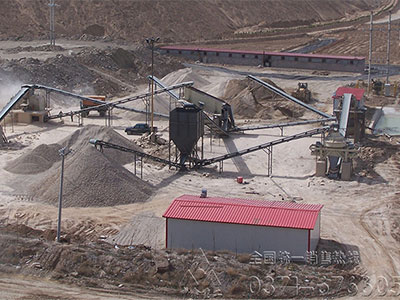
Stone crushers play a crucial role in various industries, especially in mining and construction. These machines facilitate the reduction of larger rocks into more manageable sizes, promoting efficient processing. The primary goal is to produce aggregates that meet specific standards for use in concrete, asphalt, and other building materials. Different types of stone crushers serve distinct purposes. For instance, cone crushers are ly effective for secondary and tertiary crushing applications due to their ability to produce uniform product sizes. In contrast, hydraulic cone crushers provide enhanced crushing power and adaptability through hydraulic systems, making them suitable for handling tougher materials. Understanding the specific applications of each type can significantly influence project outcomes and operational efficiency in quarries and mining sites.
Cone crushers play a crucial role in the mining industry by efficiently reducing the size of materials such as rock and ore. These machines utilize a rotating conical head and a fixed outer case, allowing for the crushing process to occur as materials are fed into the chamber. The design promotes uniformity in size reduction, making it easier to achieve the desired particle size for further processing. Moreover, cone crushers are known for their robust construction and ability to handle heavy-duty operations, sustaining high workloads without frequent breakdowns. Their adaptability allows operators to adjust settings based on specific material characteristics, enhancing overall efficiency. This flexibility underlines their significance in various mining applications, ensuring that they remain a favored choice for many professionals in the field.
Hydraulic cone crushers are engineered to provide *ior and reliability in various crushing applications. One of their key features is the hydraulic system, which allows for easy adjustment of the crusher's settings. This ensures optimal control over product size and enhances efficiency during operation. Additionally, hydraulic cone crushers are designed with a er crushing force, resulting in improved reduction ratios and better particle shape. They also incorporate advanced technology that minimizes downtime through automated maintenance alerts, optimizing production in mining and quarry environments. Furthermore, these crushers typically have a sturdy construction that prolongs their lifespan, making them both cost-effective and robust for heavy-duty tasks. The combination of these features makes hydraulic cone crushers an essential choice for efficiently processing various materials in today's competitive landscape.
When comparing cone crushers to hydraulic cone crushers, several key distinctions arise that affect and application. Traditional cone crushers operate with a simple design, relying primarily on mechanical forces to crush materials. They are effective in handling medium to hard rocks but may struggle with finer material sizing. In contrast, hydraulic cone crushers incorporate hydraulic systems that enhance their crushing capabilities, allowing for finer adjustments to output size and increased efficiency. This technology enables better material throughput and reduces the risk of blockages. Moreover, hydraulic systems provide additional safety mechanisms, such as overload protection, which can prevent damage during operation. Ultimately, the choice between these two types largely depends on specific project requirements, including material characteristics and desired outcomes in mining and quarry processing.

Stone crushers play a critical role in quarry processing by efficiently breaking down large rocks into manageable sizes for further use. In quarries, cone crushers are especially valued for their ability to crush hard materials while maintaining a consistent output size. They facilitate the extraction of aggregates, gravel, and sand that are essential in construction projects. Hydraulic cone crushers enhance this process by offering er control over the product's fineness and shape while minimizing operational costs. Additionally, these crushers help separate various materials to ensure end products. Their ability to adapt to different types of rock makes them indispensable in meeting the diverse demands of the construction and mining industries.
The development of stone crushing machinery has seen significant advancements aimed at enhancing efficiency and . Modern stone crushers now incorporate innovative designs that improve operational capabilities. For example, the integration of automation in cone crushers streamlines monitoring and management during usage, ing to better precision in size reduction. Additionally, hydraulic cone crushers offer adjustable settings for optimum flexibility and efficiency. Enhanced safety features are now standard, reducing potential hazards for operators while increasing productivity. By adopting these innovative designs, manufacturers are not maximizing stone crusher effectiveness but also ensuring they meet evolving industry demands in mining and quarry processing.
Selecting the appropriate stone crusher is crucial for project success. Begin by assessing the material type and size, as different crushers are designed to handle specific materials effectively. For instance, if your focus is on hard rock or ore, a cone crusher might be the * fit due to its high crushing efficiency. On the other hand, for projects requiring versatility and better size adjustments, a hydraulic cone crusher could serve better, providing smooth operation and easy maintenance. Additionally, consider factors such as production capacity and power consumption to ensure compatibility with your project requirements. It’s also wise to evaluate space requirements and operational surroundings since some crushers may require more installation space or specialized support equipment. Making an informed choice can to improved productivity and lower operational costs.
To ensure the optimal of stone crushers, regular maintenance is essential. Start with routine inspections to check for wear and tear on components like the jaw plates and liners, which can significantly impact efficiency. Clean the crusher regularly to prevent buildup of materials that can hinder operations. Lubrication is critical; ensure that all moving parts are adequately lubricated to minimize friction and wear. Another important aspect is monitoring hydraulic fluid levels in hydraulic cone crushers, as proper fluid levels are vital for their operation. Lastly, following manufacturer guidelines for maintenance schedules will help prolong the lifespan of the equipment and maintain consistent crushing .

 E-mail:sales@zxcrusher.com
 whatsapp:+8613676922906