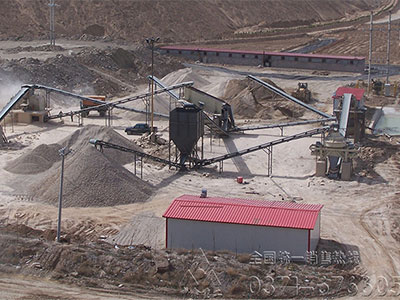
Crushing basalt requires specific equipment tailored for its * properties. Various types of crushers, such as jaw crushers and impact crushers, are designed to handle different aspects of basalt's toughness and density. Each type offers distinct advantages when dealing with this hard rock. For instance, jaw crushers are equipped to handle larger feed sizes, making them * for primary crushing. Conversely, impact crushers excel in refining the material and producing a finer product. Understanding these equipment options is essential for contractors aiming to optimize their operations while keeping wear costs manageable. Choosing the right basalt crusher not affects the quality of the * aggregate but also influences overall operational efficiency. By aligning equipment selection with the specific demands of basalt crushing, operators can enhance productivity and reduce downtime during processing.
When selecting a basalt crusher, several key factors be considered to ensure optimal . The type of material being processed plays a crucial role; basalt's hardness and density can dictate the choice of crusher. Additionally, understanding the specific crushing stage—whether primary or secondary—is important, as this influences the design and capability needed in equipment. Wear costs are another significant factor; higher-quality crushers tend to have lower maintenance costs over time, making them a more economical choice for long-term operations. Material volume is also vital; different crushers handle varying capacities, so evaluating projected output is essential. Lastly, operational efficiency should be considered, as advanced features can enhance processing speed and reduce downtime, ultimately impacting overall productivity and profitability.
When selecting a basalt crusher, understanding wear costs is crucial for long-term operational effectiveness. Wear costs refer to the expenses incurred from replacing parts that degrade over time, influenced by the hardness of basalt and the crusher's design. For example, impact crushers generally face higher wear rates due to their method of fracture compared to jaw crushers. It’s important to factor in these costs when calculating overall equipment expenses, especially for operations processing large material volumes. Selecting durable wear parts can mitigate these costs significantly, ensuring that the equipment maintains efficiency throughout its lifespan. By considering different types of wear materials and their associated costs, businesses can optimize their selection and enhance operational efficiency in their basalt crushing processes.

Material volume plays a crucial role in determining the of a basalt crusher. When processing larger amounts of material, the efficiency of the crushing equipment becomes increasingly important. A higher volume often requires a robust crushing system capable of withstanding constant use without compromising operational efficiency. If the equipment is not suited for the material volume, it can to increased wear costs and maintenance issues. Additionally, larger volumes may necessitate a more powerful power source to maintain consistent output rates while avoiding downtime. It's vital for contractors to assess their specific needs regarding material volume to select the * appropriate basalt crusher, ensuring both efficiency and cost-effectiveness in their operations.
To maximize operational efficiency in basalt crushing, it's essential to select the right crushing equipment that matches your specific needs. The choice of crusher significantly impacts , ly when handling varying material volumes. A well-suited crusher will minimize wear costs by effectively handling the abrasiveness of basalt. Implementing advanced technologies can further enhance productivity, allowing for real-time monitoring and adjustments during operations. Additionally, regular maintenance schedules should be established to ensure optimal machine and longevity. Balancing these elements creates a smoother workflow, ultimately improving the efficiency of your basalt crushing operations.
When it comes to crushing basalt, selecting the right type of crusher is crucial. Jaw crushers are often red for their ability to handle hard materials and produce a clean, well-graded product. They excel in primary crushing stages, making them a strong candidate for operations requiring significant initial reduction. On the other hand, cone crushers are for achieving finer sizes during secondary crushing, enhancing product quality. Impact crushers can be advantageous for their versatility and speed in processing various sizes of basalt. Each type has its * advantages and limitations regarding wear costs and operational efficiency. Understanding these differences helps contractors choose the * equipment suited to their material volume and specific project requirements, ing to better overall productivity in their operations.
When selecting a basalt crusher, it's essential to assess various factors that can impact operational efficiency. First, evaluate the type of crushing equipment that aligns with your project requirements. Different crushers, such as jaw, cone, or impact crushers, can provide distinct advantages depending on the material characteristics and desired output size. Next, consider the wear costs associated with each machine; understanding these expenses can to more informed financial planning. Additionally, analyze the expected material volume you will process. This helps determine the necessary capacity and level of the crusher. Lastly, assess the power source options available—whether electric or diesel—as they can influence both operational costs and maintenance needs in the long run. By carefully weighing these considerations, you can make an informed choice that ultimately enhances your crushing operations.

 E-mail:sales@zxcrusher.com
 whatsapp:+8613676922906