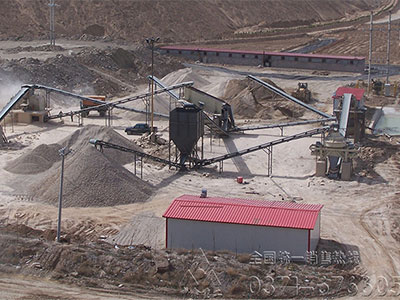
When it comes to crushing basalt, several types of crushers stand out for their efficiency and suitability. Jaw crushers are one of the * common choices, known for their ability to handle hard materials while providing a straightforward design for maintenance. Cone crushers are another popular option, leveraging a rotating piece of steel to crush the basalt between a hardened mantle and a stationary bowl. This type provides particle shape and size control. Additionally, impact crushers can be utilized, offering the advantage of producing finely crushed material due to their high-speed impacts. Each crusher type has * operational features that cater to different needs in basalt processing, ensuring that producers can select the * effective solution for their specific applications. The interplay between these crushers' mechanisms helps optimize the breaking down of this robust volcanic rock into usable materials for construction and industrial purposes.
Basalt crushers are designed with several key features that enhance their effectiveness in processing this dense volcanic rock. One notable aspect is the robust construction, often incorporating materials that withstand high wear and tear. This durability s to operational lifespans and reduced maintenance costs. Additionally, many basalt crushers offer adjustable settings, allowing operators to modify the size of the output material according to specific project requirements. The effective crushing mechanism, often including a combination of impact and compression forces, ensures efficient size reduction while maintaining the integrity of the stone's properties. Furthermore, these crushers typically have higher throughput capacities, making them * for large-scale industrial applications where productivity is crucial. Enhanced dust control systems in some models also promote a safer working environment by minimizing airborne particles during the crushing process.
The crushing of a crusher largely depends on its design and the specific characteristics of basalt. Generally, crushers categorized as jaw, cone, and impact types are prevalent in basalt processing. Jaw crushers are known for their ability to handle large rocks and deliver a consistent output size. They efficiently break down the volcanic rock through compressive forces. In comparison, cone crushers offer *ior flexibility in fragmentation and produce finer material, making them * for secondary crushing stages. Impact crushers, on the other hand, utilize high-velocity impact to disintegrate basalt into smaller pieces, which can be ly effective for creating sand and gravel materials. Understanding these differences allows operators to choose a crusher that aligns with their production goals while ensuring optimal in crushing basalt. Each type's efficiency can be further enhanced by considering factors such as operational settings and material feed size.
Crushers designed for basalt applications play a crucial role in various industrial sectors. In construction, these crushers effectively transform basalt into aggregates for concrete, asphalt, and road base materials. Their durability and efficiency contribute to high-output crushing processes, which are essential for large-scale projects. In the mining industry, basalt crushers are utilized to prepare ore and mineral products. Moreover, they are integral in the production of decorative stone and landscaping materials due to their ability to produce consistent particle sizes. The versatility of these crushers is evident as they adapt well to secondary and tertiary crushing stages, further enhancing their utility in industrial settings where crushing is paramount.
When evaluating basalt crushing equipment, it's essential to consider various types of crushers and their specific features. Jaw crushers are known for their robust construction and ability to handle larger rocks, making them suitable for primary crushing of basalt. Conversely, cone crushers provide finer material output with their advanced mechanism, which is * for secondary and tertiary crushing stages. Impact crushers can also play a significant role in breaking down basalt due to their * design, which enhances the breaking process through impact force rather than compression.
In terms of crushing , jaw and cone crushers exhibit distinct advantages. Jaw crushers typically offer a higher throughput rate, while cone crushers excel in producing consistently sized aggregates. Additionally, impact crushers can ensure less wear on parts due to their design structure. The choice of crusher will depend on the scale of the operation and the desired size of the output material.
Furthermore, the industrial applications for different types of basalt crushers can differ significantly. For instance, in large construction projects requiring massive amounts of crushed material, jaw and cone crushers are often favored for their efficiency and durability. In contrast, portable impact crushers may be red for smaller jobs where mobility is paramount.
Analyzing these factors provides valuable insights into how different types of equipment can be leveraged effectively within the basalt processing industry. By understanding these variances in and application, operators can make informed decisions that enhance overall processing efficiency.
Selecting the appropriate crusher for basalt processing is crucial to achieving optimal results. Different types of crushers, such as jaw crushers, cone crushers, and impact crushers, offer * benefits in breaking down basalt effectively. Jaw crushers are often chosen for their ability to handle large pieces of rock and deliver consistent size reduction. Cone crushers excel in providing a more uniform granularity while managing harder materials. Impact crushers, on the other hand, are * for producing fine aggregates and can efficiently tackle the abrasive characteristics of basalt.
When making a decision, it is essential to consider both the crushing and the specific application requirements. Factors such as feed size, desired output size, and production volume play a significant role in determining which type of crusher will work *. Moreover, evaluating the system's overall efficiency and operational costs will help prioritize long-term gains over initial investment. By ly understanding these elements, operators can enhance their basalt processing capabilities while optimizing productivity and reducing wear on equipment.
The development of advanced crusher technology has significantly improved the efficiency of basalt processing. Modern crushers, such as impact and cone crushers, are now designed with features that enhance their crushing . These machines incorporate innovations like adjustable curtains, optimized chamber designs, and improved material handling systems that ensure a more effective breakdown of basalt. Additionally, the integration of automation in these machines allows for real-time adjustments during operation, maximizing throughput while minimizing wear and tear. With these enhancements, industries can achieve a higher level of productivity and quality in their basalt aggregates, which are essential for various construction projects. The choice of advanced crushers not increases operational efficiency but also supports sustainable practices by reducing energy consumption and material waste during processing.
Several factors play a crucial role in determining how effectively crushers can handle basalt. First, the type of crusher significantly impacts ; for instance, jaw crushers are known for their strength but may struggle with finer outputs compared to cone crushers. Second, the material's characteristics, such as hardness and abrasiveness, affect wear rates on the crusher components and directly influence maintenance requirements and operational costs. Additionally, settings like the gap between crusher parts and the speed at which material is processed can also change outcomes dramatically. Finally, environmental factors, such as humidity and dust levels, might influence both the operational efficiency and lifespan of equipment. Understanding these variables is essential for optimizing basalt crushing operations across various industrial applications.

 E-mail:sales@zxcrusher.com
 whatsapp:+8613676922906