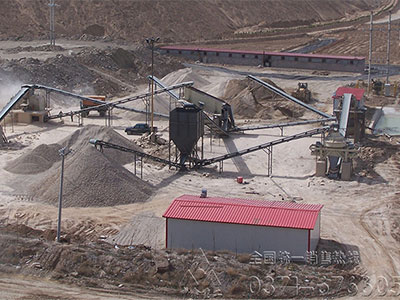
Modern cone crushers incorporate advanced high-efficiency crushing technologies that significantly enhance their in various material processing applications. These innovations include improved designs that facilitate interparticle crushing, resulting in more uniform particle sizes and better material liberation. With features like variable speed controls and enhanced geometries, these crushers can optimize energy consumption while maintaining effective throughput. Enhanced wear materials also contribute to operational lifetimes, reducing maintenance needs and downtime. The use of automation and intelligent monitoring systems allows operators to maximize efficiency by adjusting settings in real-time based on material characteristics and operational conditions. Overall, these technologies position modern cone crushers as pivotal tools for achieving high productivity and consistent output quality in industries reliant on efficient material processing.
Cone crushers are increasingly being adopted in various material processing applications due to their versatility and efficiency. They are ly effective in the production of aggregate for construction projects, where they crush and size raw materials with precision. The high-efficiency design of modern cone crushers allows them to tackle tough materials while minimizing downtime. Additionally, these machines are instrumental in recycling operations, enabling the processing of asphalt and concrete waste into reusable material. This not reduces landfill contributions but also promotes sustainable practices in the construction industry. The ability to produce end products while optimizing operational processes highlights the growing significance of cone crushers in modern material handling strategies.

crushing solutions, ly high-efficiency cone crushers, significantly enhance productivity in material processing. These crushers utilize innovative technology that combines both crushing and grinding processes, allowing for a streamlined operation. By optimizing the particle size distribution and improving product quality, businesses can process materials more effectively. Furthermore, the reduction in the number of crushing stages translates to lower operational costs and better energy efficiency. This seamless approach not maximizes throughput but also minimizes downtime, ensuring that production levels remain consistent even under heavy workloads. As industries continue to seek solutions that improve efficiency, the role of advanced cone crushers remains pivotal in achieving robust productivity gains.
High-efficiency crushing techniques employed in cone crushers to significant energy savings in material processing. By optimizing the crushing process, these machines minimize energy consumption while maximizing throughput. Due to their innovative design, high-efficiency cone crushers can operate with reduced power requirements, allowing for a more sustainable approach to construction tasks. This energy-efficient operation not lowers operational costs but also lessens the environmental impact associated with conventional crushing methods. As industries continue to prioritize sustainability, these advanced systems are becoming essential for achieving both productivity enhancement and reduced energy use without compromising material quality.
Cone crushers play a crucial role in enhancing the quality and output of processed materials. By utilizing advanced crushing methods, these machines efficiently reduce materials to the desired size while maintaining a consistent shape and texture. This capability is essential for various applications, such as asphalt recycling and aggregate production. The interparticle crushing technique employed in cone crushers not improves material liberation but also minimizes waste, allowing for better recovery of usable material. Furthermore, the precise control over particle size distribution s to higher product quality, which is vital for meeting industry standards. As these machines operate with minimal downtime and reduced energy consumption, they significantly contribute to the overall efficiency of material processing operations. Consequently, deploying high-efficiency cone crushers helps ensure that production goals are met while optimizing both output quality and resource usage.
Utilizing high-efficiency crushing systems, ly in cone crushers, offers numerous advantages that enhance overall operational effectiveness. These systems improve material processing by ensuring a more uniform particle size distribution, which is crucial for various applications in construction and recycling. The ability to achieve a higher liberation ratio means that valuable materials are recovered more efficiently, reducing waste and optimizing resource usage. Moreover, the integration of innovative technologies in these crushers s to significant energy savings, as fewer stages of crushing are required. This not lowers operational costs but also minimizes the environmental impact associated with energy consumption. Overall, investing in high-efficiency crushing solutions supports better material quality and boosts productivity across diverse project scenarios.
In a recent infrastructure project, a municipal road renovation highlighted the advantages of cone crushers in high-efficiency crushing. Using the FCBRhodax® model, the team effectively processed large volumes of reclaimed asphalt pavement. The combination of interparticle compression and single-stage crushing allowed for *ior material quality with minimal energy consumption. Similarly, a construction company specializing in aggregate processing reported increased throughput by integrating cone crushers into their operations. The machines streamlined their workflow, reducing both operational costs and downtime. These case studies exemplify how advanced cone crushing technology directly contributes to enhanced productivity and sustainability in material processing tasks across various applications.
As the construction industry evolves, high-efficiency crushing technology is set to play a crucial role in enhancing operational efficiency and sustainability. Future developments will likely focus on integrating smart technologies into cone crushers, enabling real-time monitoring and predictive maintenance. This integration can help optimize the of crushing systems, minimizing downtime and maximizing output. Additionally, advancements in materials science may to the development of more durable components, improving reliability and lifespan. Moreover, innovations in automation and AI could streamline the control processes, allowing for precise adjustments based on varying material properties. As these trends emerge, the construction sector can expect significant improvements in energy efficiency and material utilization, aligning with broader goals of reducing environmental impact while maintaining productivity standards.

 E-mail:sales@zxcrusher.com
 whatsapp:+8613676922906