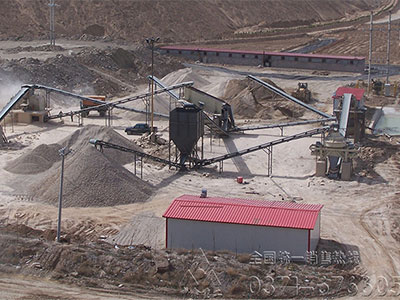
Regular inspections are vital for ensuring cone crushers operate efficiently. Begin with visual checks for any signs of wear or damage, ly on key components like the liners and mantles. It’s important to check the grease levels and replace worn-out parts to maintain optimal function. Additionally, maintaining proper hydraulic fluid levels and monitoring the temperature of the machinery can prevent overheating, thereby enhancing optimization. Cleaning around the cone crusher is another essential task, as accumulated debris can hinder operation and to unexpected downtime. Implementing these routine maintenance tasks helps extend equipment life and contributes significantly to effective aggregate production processes.
Regular maintenance of cone crushers is key to achieving optimal in aggregate production. Adopting a systematic approach to maintenance tasks, such as daily inspections, lubrication checks, and wear parts monitoring, can help ensure the equipment operates efficiently. A maintenance schedule that focuses on both minor and major repairs will keep issues from escalating and improve longevity. Additionally, utilizing software for tracking maintenance can enhance accountability and help in planning necessary repairs. Sticking to this routine not prolongs equipment life but also maximizes productivity by reducing unexpected downtime and ensuring consistent output quality. Prioritizing these fundamental maintenance steps can to significant improvements in overall operational efficiency.

To enhance the lifespan of cone crushers, implementing routine maintenance is crucial. Start with daily inspections to identify wear and tear on critical components. Checking fluid levels, belts, and screens regularly helps prevent unexpected failures. Additionally, ensuring proper lubrication reduces friction, which can to premature wear. Scheduling periodic detailed inspections allows for the early detection of potential issues that could disrupt operations. Operators should maintain cleanliness around the machine to prevent debris buildup that might affect function. Incorporating advanced monitoring technology can provide real-time data on equipment , enabling timely adjustments and minimizing damage. Adopting these strategies fosters improved maintenance practices, contributing to extended equipment life in demanding aggregate production environments.
To prevent costly downtime, regular inspections of cone crushers are crucial. Start with checking the oil levels and ensuring they are clean, as this directly impacts lubrication efficiency. Inspecting hydraulic systems for leaks or pressure drops helps maintain optimal operation. Regular tightening of bolts and checking for any unusual vibrations can detect potential issues early on. Additionally, keeping the crushing chamber clean reduces material build-up, which can to blockages and decreased . Implementing a maintenance log not tracks tasks but also helps identify recurring problems, allowing for timely interventions. By ly addressing these areas, operators can significantly minimize unexpected shutdowns and maintain smooth production flow.
Regular maintenance is integral to ensuring that cone crushers operate at their *, ly in the aggregate production sector. By routinely inspecting and servicing equipment, operators can identify potential issues before they to costly downtime. This proactive approach not maintains consistent product quality but also enhances the efficiency of the crushing process. Furthermore, implementing a structured maintenance schedule assists in optimizing , enabling crushers to handle tough materials with ease. Additionally, addressing wear and tear promptly can significantly extend the lifespan of cone crushers, resulting in improved operational cost management. Hence, regular maintenance isn't just a task; it’s a strategic move towards maximizing productivity in aggregate production.
To ensure optimal of cone crushers, regular inspections should be a priority. Key tasks include checking for wear on liners and mantles, ensuring proper lubrication levels, and monitoring vibration patterns to identify potential issues early. Cleaning the equipment regularly helps prevent material buildup that can affect . Additionally, adjusting the crusher’s settings according to the specific material being processed is crucial. Implementing a log system to track maintenance activities aids in identifying trends and scheduling future inspections. By following these maintenance practices, operators can enhance the reliability and efficiency of their cone crushers while minimizing unexpected downtime.
In the realm of cone crusher maintenance, certain pitfalls can significantly impact and efficiency. One prevalent mistake is overlooking regular inspections, which can to undetected wear and tear. Ignoring lubrication schedules is another critical issue; insufficient lubrication increases friction and accelerates component degradation. Additionally, operating the crusher without addressing routine wear parts replacement often results in suboptimal crushing and higher operational costs. It's also essential to avoid using improper cleaning methods that may damage sensitive components. By recognizing these common errors, operators can take proactive measures to enhance maintenance practices and ensure their cone crushers operate at peak efficiency for periods.
To enhance aggregate efficiency, it is crucial to prioritize the longevity of cone crushers. Regular inspections play a key role in identifying wear and tear early on, allowing for timely interventions. Additionally, using lubricants and adhering to proper lubrication schedules can reduce friction, ing to smoother operation and extended equipment life. Implementing vibration monitoring systems can further help in detecting irregularities that may indicate impending issues. Keeping the crushing chamber clean is another simple yet effective way to maintain optimal levels. By concentrating on these strategies, operators not ensure the durability of their cone crushers but also contribute positively to overall production efficiency in aggregate processing.

 E-mail:sales@zxcrusher.com
 whatsapp:+8613676922906