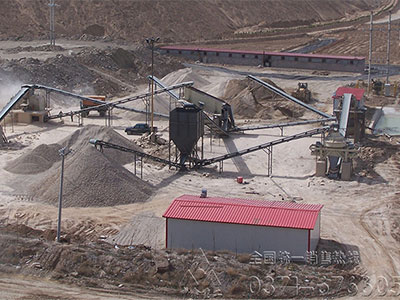
Cone crushers are vital in the mining and construction industries for their ability to crush various materials efficiently. These machines operate on a principle where a rotating mantle exerts pressure on the material fed into the chamber, breaking it down into smaller pieces. They are designed to handle tough ores and provide a consistent output size. One of the key functions of cone crushers is their adjustable discharge settings, allowing operators to customize the output according to specific project requirements. Additionally, the design of cone crushers provides compression capability, making them suitable for processing hard materials like granite and basalt. Understanding these functions helps businesses select the right type of cone crusher for their operations, ensuring optimal and reduced production costs in crushing operations.
When selecting the right ore for your cone crusher, several key factors come into play. First, consider the type of material being processed, as different ores exhibit * characteristics that may impact crushing efficiency. Hardness, abrasiveness, and moisture content can influence how well an ore is reduced in size. Additionally, the desired particle size and shape are critical; the right ore should align with the product specifications set by your operations. It's also important to evaluate the feed size to ensure that it fits the crusher's capabilities. Lastly, understanding operational costs and potential output will help in choosing an ore that maximizes longevity and minimizes wear and tear on your equipment, thus enhancing overall in crushing operations.
When it comes to crushing operations, selecting the right crusher type is essential for achieving desired results. Cone crushers, with their ability to handle a variety of materials, are ly effective for secondary and tertiary crushing. They excel in providing a uniform product size while reducing large pieces into manageable fragments. In contrast, impact crushers are * for primary crushing and are renowned for their ability to process softer materials quickly. Hammermills offer a different approach, utilizing high-speed impact to break down materials effectively. Jaw crushers, known for their brute force, are well-suited for rough crushing and heavier applications. Each type plays a crucial role within the industrial landscape, catering to specific material characteristics and operational needs. By understanding these distinctions, operators can strategically select the right equipment to optimize their crushing processes and enhance overall productivity.
To achieve optimal with your cone crusher, it’s essential to match the right ore with the crusher type. The selected material should complement the cone crusher's design and operational parameters. Factors such as ore hardness, size, and moisture content can significantly influence crushing efficiency. For instance, harder ores might require more powerful systems, while softer materials can yield better results with moderate force. Regular maintenance of the cone crusher also plays a critical role in ; ensuring that parts are in good condition helps prevent disruptions. Additionally, monitoring operational settings like feed rate and closed-side setting can help maintain consistent output quality. Adapting to these variables ensures that your equipment functions effectively within its designed capacity, supporting overall operational goals.
To achieve efficiency in crushing operations, it is crucial to understand the synergy between the ore selected and the type of crusher being used. Each crusher type—be it a jaw, impact, or cone crusher—has specific operational strengths that cater to various ores. The optimum of a cone crusher, for instance, is achieved when it processes ores that are suited to its design specifications. Factors such as hardness, size uniformity, and moisture content significantly influence the crushing effectiveness. Selecting the right ore not enhances the output but also minimizes wear on the equipment. Moreover, understanding material characteristics aids in anticipating challenges that may arise during processing. By aligning ore selection with the appropriate crusher type, operators can streamline their operations and improve overall productivity in various applications.
Selecting the appropriate ore is crucial for maximizing the output of your cone crusher. Different types of ores respond *ly under crushing pressures, impacting the efficiency and quality of the end product. Factors such as hardness, size, and moisture content should be carefully evaluated. Harder ores often require more power and can to increased wear on the crusher components, while softer materials may reduce operational strain but can affect particle shape. Additionally, proper sizing of the ore before it enters the crusher helps prevent blockages and optimizes throughput. By understanding these characteristics and aligning them with your specific crushing goals, you can enhance and achieve better results in your operations.
Selecting the right material is essential for maximizing the efficiency of crushing operations. Various characteristics, including size, hardness, and moisture content, significantly affect the crusher's . Harder materials may require more robust machines, such as cone crushers, designed to handle increased stress without compromising output. Additionally, the gradation of material influences how well the crusher can reduce it to the desired size; uniformity in particle size s to more consistent crushing results. Moisture levels can also impact ; excessive moisture can to clogging and reduced throughput. Therefore, analyzing these characteristics prior to selection helps ensure that the chosen crusher can operate effectively and deliver optimal results for specific applications. Understanding these factors lays a solid foundation for enhancing overall operational efficiency in material handling.
To boost the effectiveness of your cone crusher, * consider the characteristics of the ore being processed. Selecting the right ore can significantly impact crushing efficiency and overall . For example, softer ores generally require less energy to crush, while harder materials may demand more power and specialized settings. Additionally, proper feed size should be maintained to ensure that the crusher operates within its optimal range. Regular maintenance is crucial as well; routine checks on wear parts and lubrication will help avoid unexpected downtimes. Finally, adjusting operational parameters based on real-time data can to better control over crushing processes and improved output quality. By focusing on these elements, you can enhance the of your cone crusher effectively.

 E-mail:sales@zxcrusher.com
 whatsapp:+8613676922906