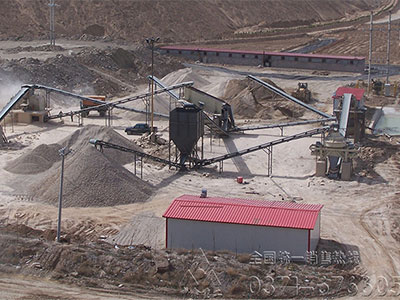
Cone crushers play a critical role in the hard rock crushing process, especially when handling materials like andesite. These machines are designed to endure the high compressive forces encountered with hard rocks, making them suitable for various mining and construction applications. Their ability to crush rocks to a desired size while maintaining particle shape is essential for producing quality aggregates. The design of cone crushers allows for efficient reduction of material, ensuring that output meets specifications without excessive waste. Additionally, the adaptability of cone crushers in multi-stage circuits enhances their utility. By working together with other types of crushers, such as jaw or impact crushers, they form a system that optimizes the crushing process, ultimately boosting overall productivity and profitability.
Cone crushers play a vital role in effectively processing andesite, a challenging material due to its high silica content and compressive strength. Their design allows for precision crushing, reducing large rock fragments into manageable sizes. This efficiency is especially important in multi-stage crushing circuits, where the initial reduction is crucial for downstream processes. By employing cone crushers in these circuits, operators can ensure optimal material flow and reduce energy consumption. Moreover, the use of advanced cone crushers equipped with automated features can further enhance productivity, enabling real-time adjustments based on material characteristics. This adaptability not maximizes throughput but also minimizes wear on equipment, ing to better overall during andesite processing.
Multi-stage circuits play a pivotal role in enhancing profitability within aggregate production, ly when dealing with hard rock materials like andesite. By integrating cone crushers into a multi-stage setup, operations can achieve optimal size reduction and improved throughput. This configuration allows for a more efficient crushing process, where each stage is designed to handle specific material characteristics effectively. As a result, wear costs are significantly reduced, since equipment is operated within optimal parameters. Furthermore, this model allows for adjustments based on material flow and characteristics, ing to better resource utilization. Ultimately, integrating multi-stage circuits with cone crushers not maximizes operational efficiency but also contributes to sustained profitability in aggregate production endeavors.
Wear costs in hard rock crushing operations significantly impact overall profitability. The abrasive nature of materials such as andesite can to rapid wear of crusher components, necessitating frequent maintenance and replacement. Cone crushers, known for their durability, can help mitigate these costs when selected properly. Utilizing materials for wear parts and ensuring optimal operating conditions can prolong the lifespan of these components. Furthermore, implementing a multi-stage crushing circuit allows for even distribution of strain across machinery, reducing localized wear and extending operational efficiency. This strategic approach not lowers downtime but also maximizes production rates, contributing to a more cost-effective aggregate production process.
Selecting the right cone crusher is crucial for achieving high profitability in hard rock operations. These crushers excel at reducing andesite and other abrasive materials due to their robust design and efficient crushing mechanisms. A well-chosen cone crusher operates effectively within a multi-stage circuit, which optimizes material handling and enhances throughput. This setup not increases productivity but also minimizes wear costs, as it ensures the equipment is utilized to its full potential. By considering factors like material hardness, desired output size, and operational environment, operators can make informed decisions that to improved operational efficiency and reduced downtime. Ultimately, advanced crusher selection directly influences profitability by balancing initial investment with long-term benefits.
Cone crushers play a pivotal role in the efficiency of multi-stage circuits, especially when processing hard rock like andesite. By integrating cone crushers into these circuits, operations can effectively manage size reduction and enhance material flow. The * design of cone crushers allows for a consistent product size while minimizing the need for excessive re-crushing. This is ly important for andesite due to its high abrasiveness and compressive strength. When combined with jaw crushers in a multi-stage setup, they significantly reduce wear costs associated with equipment maintenance. The result is a smoother operation that not boosts throughput but also extends the lifespan of machinery, ultimately ing to increased profitability in aggregate production. This synergy creates an optimized workflow crucial for tackling challenging mining environments efficiently.
When it comes to hard rock crushing, cone crushers stand out for their *ior compared to other equipment. Their design allows for effective size reduction while maintaining operational efficiency. Unlike jaw crushers, which can struggle with highly abrasive materials like andesite, cone crushers provide a more consistent output with better shape, making them * for producing aggregates. Furthermore, in multi-stage circuits, cone crushers work seamlessly with other types of crushing equipment, enhancing throughput and reducing overall wear costs. They are specifically engineered to handle variations in material hardness and offer adjustable settings to accommodate different crushing needs. This adaptability ensures that operations can respond effectively to fluctuating demands while optimizing production costs and minimizing downtime.
When selecting cone crushers for andesite processing, several factors be taken into account to enhance operational efficiency and minimize wear costs. The abrasiveness of andesite demands robust machinery; therefore, choosing a crusher with high wear resistance is crucial. Additionally, the size of the material input should align with the crusher's capacity to avoid overload and ensure optimal . It is also important to evaluate the crushing circuit configuration—integrating cone crushers in a multi-stage setup can significantly improve material size reduction while maintaining output quality. Furthermore, understanding feed characteristics, such as moisture content and particle shape, aids in selecting the right model tailored for specific site conditions. Proper alignment with these considerations contributes to prolonged equipment lifespan and overall profitability in aggregate production.

 E-mail:sales@zxcrusher.com
 whatsapp:+8613676922906