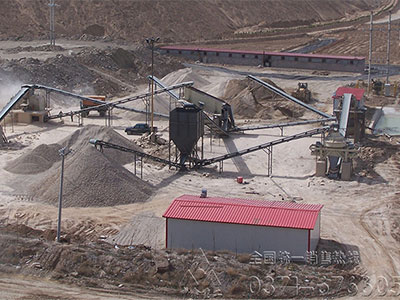
The single-cylinder cone crusher stands out for its simplicity and efficiency in material processing. This type of crusher utilizes a * design where a single hydraulic cylinder controls the cone's adjustment and overload protection. It typically excels in handling medium to hard materials, making it an * choice for various applications, including mining, construction, and recycling. By allowing for effortless adjustments, it ensures optimal output size while minimizing energy consumption. The design also facilitates quicker maintenance compared to multi-cylinder models, reducing downtime in operations. Understanding these benefits is crucial for making informed decisions that enhance overall operational efficiency in your processes.
Single-cylinder cone crushers stand out due to their simple design and high efficiency. One key feature is their hydraulic adjustment system, which allows operators to easily manage the size of the crushed material. This flexibility enhances the optimization process, making it suitable for various applications. Additionally, the compact size of these crushers ensures they occupy less space while delivering high operational efficiency. The use of high-strength materials in their construction also contributes to better durability and reduced maintenance costs. Furthermore, single-cylinder cone crushers can handle a wide range of materials, from hard rock to softer aggregates, providing versatility in material processing tasks. By choosing this type of crusher, businesses can significantly improve production rates while maintaining quality standards in crushed products.
Choosing the right single-cylinder cone crusher involves several key considerations. First, assess the material types and sizes you will be processing. Different crushers excel in handling varying materials, so understanding your specific needs is critical. Next, evaluate the crusher's capacity and power requirements, ensuring it aligns with your operational demands.
Look for features that enhance optimization, such as adjustable discharge settings and easy maintenance access. Consider factors like energy efficiency as well; a more efficient model can significantly reduce operational costs over time. Additionally, review manufacturer support and warranty offerings to guarantee reliability in the long run. By keeping these aspects in mind, you can make an informed decision that maximizes productivity and effectiveness in your material processing tasks.
To achieve optimal from single-cylinder cone crushers, it is essential to focus on proper maintenance and operational techniques. Regular inspection of key components, such as the crushing chamber and throughput, ensures efficiency and minimizes potential downtimes. Additionally, adjusting the crusher's settings according to the material type and size can enhance both yield and quality. Utilizing a feed control system helps maintain a consistent flow of material, reducing the risk of clogging and ensuring that the crusher operates within its optimal parameters. Training operators on * practices for loading and monitoring equipment can also contribute to better operational efficiency, allowing for quicker responses to any emerging issues. By implementing these strategies, users can maximize the capabilities of their single-cylinder cone crushers in any material processing scenario.
When utilizing a single-cylinder cone crusher in material processing, it is essential to adhere to * practices for optimal results. First, ensure that the feed material is consistent in size and shape, as this allows the crusher to operate efficiently and reduces wear on the machine. Maintaining proper lubrication and regular maintenance schedules will also enhance the longevity of the equipment, preventing unnecessary downtimes. Adjusting the crusher's settings according to the specific material characteristics can to better and improved product quality. Moreover, utilizing screening technologies before and after crushing can maximize efficiency by ensuring that appropriately sized materials are processed. This approach not improves throughput but also minimizes excess fines and waste.
To enhance operational efficiency, it’s essential to correctly match the single-cylinder cone crusher’s capabilities with specific material types and processing goals. Understanding the material properties, such as hardness and size, plays a crucial role in this selection. Additionally, regular maintenance ensures that equipment operates at peak and minimizes downtime. Focus on optimizing settings like the crushing cavity shape and adjustment options to match operational demands. Proper training for operators on * practices can significantly impact overall efficiency, ing to smoother production flows and reduced energy consumption. Implementing these strategies equips facilities to streamline processes and achieve better output with their single-cylinder cone crushers.
Selecting the wrong type of crusher can significantly hinder efficiency and to increased operational costs. A frequent mistake is underestimating the importance of material characteristics. Each crusher type is designed for specific materials, so understanding the composition and hardness of the material you need to process is essential. Another common error is failing to consider capacity requirements. Choosing a crusher that cannot handle your operational volume can to bottlenecks and delays. Additionally, neglecting maintenance considerations can result in unexpected downtime and repairs. Be sure to evaluate features that facilitate easy maintenance and parts replacement. Lastly, overlooking the long-term operational costs associated with different crushers can affect profitability; it's crucial to look beyond initial purchase prices and consider energy consumption, wear rates, and overall efficiency in material processing tasks.

 E-mail:sales@zxcrusher.com
 whatsapp:+8613676922906