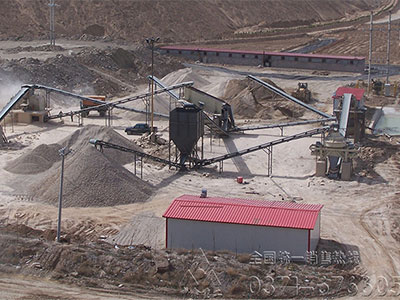
When selecting an efficient granite crusher, it’s important to focus on several key factors. First, evaluate the type of granite being processed. Its hardness and abrasiveness will directly impact the choice of crusher design and jaw plates. Next, consider the production rate needed—are you aiming for high volume or precision work? This will help determine the appropriate crusher size and capacity. Additionally, assess your operational environment; factors such as space limitations or noise regulations can influence your selection. Another significant aspect is the total cost of ownership, which includes initial investment, maintenance costs, and potential downtime. Balancing these elements effectively ensures that you choose a granite crusher that meets both efficiency requirements and long-term operational needs.
When selecting a granite crusher, durability is a key consideration that directly impacts long-term operational efficiency. Opting for materials in the construction of the crusher is essential, as these can withstand the rigors of crushing hard granite without premature wear. Look for features such as reinforced components and robust designs that enhance longevity. Materials like manganese steel or alloyed designs are often favored for their resistance to abrasion and impact. Additionally, examining the design of the crushing chamber can help determine how effectively it handles different sizes and volumes of granite, influencing both and durability. Regular maintenance schedules should also be factored in, as proactive care can significantly extend the lifespan of your crusher and prevent costly downtime from equipment failure. By focusing on these durability aspects, you can ensure that your granite crusher remains efficient and reliable throughout its operational life.
When selecting a granite crusher, it's vital to assess the balance between upfront costs and long-term operational expenses. Begin by evaluating the initial investment required for different models and configurations. However, don’t overlook maintenance costs or wear and tear associated with various materials. Durability plays a significant role here; a more robust machine may have a higher initial price but will provide considerable savings over time through reduced repair needs. Additionally, consider the energy consumption of the crusher, as efficient models can to lower electricity or fuel costs. Finally, analyze the potential return on investment by calculating the expected output based on your operational needs. This evaluation ensures a cost-effective choice that aligns with your overall budget while maximizing productivity in granite processing.
When selecting a granite crusher, understanding your operational needs is paramount. Start by examining the specific types of granite you intend to process, as variations in hardness and size can significantly impact crusher . Additionally, consider the throughput required for your projects, as this will help determine the capacity of the crusher you need. Other important factors include the crushing application's environment, such as whether the operation will take place in a stationary setting or on a mobile platform. Evaluating your power source ences—whether electric or diesel—can also influence your choice, as it affects both operational efficiency and overall costs. By carefully analyzing these elements, you can ensure that your selected granite crusher aligns with your specific requirements and optimizes both and longevity.
When selecting a granite crusher, several key factors play a significant role in ensuring optimal . First, assess the hardness and abrasiveness of the granite, as these characteristics directly influence wear on the crusher components. Additionally, consider the size of the raw material being processed; larger rocks typically require more robust machinery. It's also essential to evaluate the feed rate—high-throughput needs may demand crushers with er processing power. Furthermore, think about maintenance requirements; crushers designed for easy maintenance can reduce downtime and operational costs. Lastly, ensure that your choice aligns with your operational needs to enhance efficiency and durability while balancing cost-effectiveness in the long run.
When selecting an efficient granite crusher, it is crucial to begin with a clear understanding of your operational needs. Identify the specific types of granite you will be processing, as different materials may require distinct crushing methods. Next, assess the overall production capacity you aim to achieve, which directly influences your choice of equipment. Evaluate features such as ease of maintenance and available technology options, as they contribute significantly to long-term durability and .
Additionally, consider both initial investment costs and ongoing operational expenses. A cost-effective solution should balance upfront prices with durability to minimize replacement and repair costs over time. Pay attention to energy efficiency; choosing between electric or diesel-powered machines can impact overall running costs and environmental considerations.
Taking time to research market options and compare specifications will further enhance your decision-making process, ing you toward a granite crusher that meets both and budget criteria seamlessly.
When selecting a granite crusher, understanding the material characteristics is critical. Different types of granite can vary significantly in terms of hardness, abrasiveness, and moisture content. Harder granite types may require a more robust crushing mechanism to ensure efficiency and avoid excessive wear on components. Additionally, the abrasiveness of the material influences the selection of jaw plates and other critical parts to enhance durability. Moisture content is another vital consideration; higher moisture levels can to clogging and affect operational efficiency. Therefore, assessing these material characteristics helps in choosing a crusher better suited to handle specific granite types, ensuring optimal while minimizing maintenance costs.
When selecting an efficient granite crusher, it's essential to analyze both and cost dynamics. Performance can be evaluated through parameters like throughput, reduction ratio, and energy consumption. A crusher that processes more material in less time while consuming minimal power often delivers better operational efficiency. Alongside metrics, cost considerations play a critical role in the selection process. This includes not the initial purchase price but also ongoing maintenance costs and wear rates of critical components like jaw plates. By factoring in these costs, operators can better assess the long-term value of their investment. Balancing high with sustainable costs ultimately s to enhanced profitability and operational success.

 E-mail:sales@zxcrusher.com
 whatsapp:+8613676922906