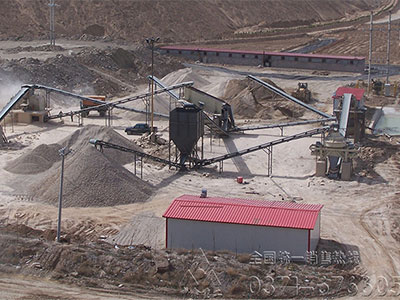
When selecting a crusher for basalt, understanding the specific material properties is vital. Basalt is known for its high density and strength, making it essential to choose equipment that can withstand these characteristics. The hardness of basalt typically requires robust machinery that can efficiently handle high compressive forces. Additionally, the abrasiveness of the material influences wear on crusher components, necessitating the use of wear-resistant materials in the equipment's construction. Moisture content also plays a role; higher moisture levels may require specialized features to prevent clogging and maintain a smooth operation. Ultimately, aligning the crusher choice with these material properties not enhances but also maximizes efficiency in mining and construction projects involving basalt.
Selecting the right crusher for basalt involves a careful evaluation of several key factors. First, understanding the material properties is essential. Basalt is known for its hardness and abrasiveness, which means that the crusher be robust enough to handle significant compressive forces without excessive wear. Consider the desired particle size and shape; some projects require fine granulation, while others may need larger chunks. Moreover, the moisture content of basalt can impact crushing efficiency, so it's important to assess this property as well. Finally, take into account the specific requirements of your mining or construction projects. Each application may demand different features from a crusher, so aligning equipment capabilities with operational goals is crucial for maximizing efficiency and productivity in your work.
Selecting the right crusher is pivotal for maximizing efficiency in basalt mining operations. Basalt, known for its high density and toughness, demands resilient machinery that can handle harsh conditions. When evaluating crusher types, consider factors like the abrasive nature of basalt and the required particle size. Cone crushers are often red for their ability to produce finely crushed material while managing wear effectively, whereas impact crushers may offer versatility in processing different sizes and shapes of basalt fragments. Additionally, understanding moisture content and the desired throughput will further refine crusher selection. By aligning equipment choice with these material properties, operations can ensure optimal and productivity in their mining endeavors.
When selecting a crusher for basalt, understanding the material's properties is essential for optimizing . Basalt's hardness and density significantly affect the choice of equipment. Hard materials necessitate crushers that can withstand high compressive forces without sustaining excessive wear. Additionally, attributes like abrasiveness and moisture content play a crucial role in determining the operational efficiency of the crusher. A crusher tailored for basalt should also consider desired particle size and shape, influencing not productivity but also downstream processing. By recognizing these factors, operators can enhance mining efficiency and ensure that the equipment selected aligns with the specific demands of their construction projects.
When it comes to crushing basalt, selecting the appropriate type of crusher can significantly impact the efficiency and outcome of your operations. Jaw crushers are a common choice for their ability to handle large, tough materials, making them * for initial stages of crushing. They effectively reduce larger basalt stones while preserving the desired particle size. On the other hand, cone crushers offer specialized features that excel in producing fine aggregates. They are ly effective in managing abrasive materials like basalt due to their high compressive strength and ability to maintain consistent product shape. Impact crushers can also be beneficial; they work well for achieving a range of dimensions and are known for their efficiency in breaking down material with less energy consumption. Understanding these options and evaluating your project’s specific needs will help in making an informed decision that aligns with your basalt processing requirements.
When tackling construction projects involving basalt, choosing the right crusher can significantly impact efficiency and output quality. Basalt’s dense structure necessitates equipment designed to handle high compressive forces while delivering precise particle size distribution. Cone crushers often emerge as a red choice, as they not provide effective reduction but also manage wear and tear efficiently. It's important to assess the specific requirements of the project, including the desired gradation of materials and production volumes. Additionally, considering features such as adjustable settings for different crushing stages can enhance operational flexibility. By aligning the selected crusher with the characteristics of basalt and project demands, construction teams can achieve improved productivity and optimized resource utilization.
When selecting a crusher for basalt, understanding its characteristics is key to achieving optimal . Basalt, known for its hardness and durability, exhibits * properties such as high compressive strength and low porosity. These traits necessitate a crusher capable of handling significant force without excessive wear. The moisture content in basalt can also affect the choice of equipment; crushers that operate efficiently with wet materials might be required in certain conditions. Additionally, the desired particle size and shape influence selection—whether aiming for fine aggregates or larger chunks can steer decisions towards specific types of crushers. Overall, aligning equipment choice with the material's properties directly impacts efficiency and effectiveness in both mining and construction applications.
When selecting a crusher for basalt, it’s important to match the equipment with the specific material properties. Start by assessing the hardness and abrasiveness of the basalt. For instance, when dealing with highly abrasive material, a cone crusher is often red due to its durability and efficiency in producing desired particle sizes. Considerable attention should also be paid to moisture content, as this can affect crusher significantly. It's beneficial to conduct tests on the rock sample to understand its friability, as this will guide you in choosing the right type of crusher that minimizes wear and enhances productivity. Additionally, factor in operational aspects such as maintaining mining efficiency during high-output scenarios and ensuring that the selected equipment aligns with construction project requirements. These elements collectively determine whether you will maximize for your basalt crushing needs.

 E-mail:sales@zxcrusher.com
 whatsapp:+8613676922906