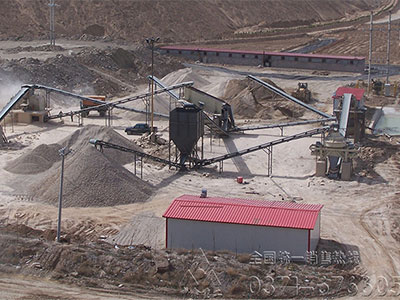
When comparing the production characteristics of cone crushers and jaw crushers, each type presents * advantages suited to different stages of mineral processing. Jaw crushers are designed for primary crushing, capable of handling larger feed sizes up to 1,200mm. They are * for breaking down large chunks of material and producing coarser output that can facilitate further processing. On the other hand, cone crushers excel in their roles during secondary and tertiary crushing stages. With a input size of around 450mm, they produce finer discharge sizes that contribute to a more refined end product. This distinction is crucial as it directly affects the efficiency and effectiveness of material processing operations in mining applications. Understanding these characteristics will help operators select the appropriate crusher for their specific project requirements, optimizing both and material throughput.
Crushing technology is vital in mineral processing, where the effective breakdown of materials sets the stage for subsequent operations. Jaw crushers excel in the primary stage, dealing with larger input materials efficiently. Their larger feed sizes enable initial crushing that prepares minerals for further handling. On the other hand, cone crushers are engineered for secondary and tertiary crushing, processing smaller, already reduced materials. This distinction is crucial as it directly influences how minerals are extracted and refined. The choice between these crushers hinges on project requirements, including material size and desired output. By grasping the nuances of each type, stakeholders can optimize their processing flow ultimately ing to enhanced operational efficiency.
When comparing cone crushers and jaw crushers, the production characteristics stand out as crucial factors for many mining operations. Jaw crushers cater to larger materials, adeptly handling feed sizes of up to 1,200mm. This capability makes them * for primary crushing tasks, resulting in larger output sizes that set the stage for secondary processing. Conversely, cone crushers excel in processing smaller feed sizes, usually under 450mm. Their design is tailored for secondary and tertiary crushing stages, delivering finer output suitable for more nuanced applications. The choice between these two types of machinery significantly influences material processing outcomes, making it essential to align equipment selection with specific project requirements in the mining industry. Understanding these integral differences allows operators to make informed decisions based on their * operational needs.
When it comes to selecting the right crusher for mining projects, careful consideration of production characteristics is essential. Cone crushers excel in producing finely crushed materials, making them * for secondary and tertiary stages of processing. In contrast, jaw crushers are * suited for primary crushing, handling larger feed sizes and producing coarser outputs. Each type has * advantages based on the specific requirements of the mining operation. Additionally, understanding the material type being processed can guide this decision further. For instance, softer materials might perform better with one type over the other. Ultimately, matching the crusher type to project needs can significantly enhance efficiency and productivity in mineral processing operations.
Both jaw crushers and cone crushers are essential in mining operations, but their efficiencies differ based on their production characteristics. Jaw crushers excel in primary crushing, offering higher throughput when handling larger feed sizes. Their robust design allows them to manage hard and abrasive materials effectively. On the other hand, cone crushers shine in secondary and tertiary applications where precision is crucial; they produce finer outputs with a more controlled size distribution. This makes them * for instances where uniformity in material size is needed for subsequent processing stages. Ultimately, understanding these operational differences is key to optimizing material processing efficiency in mining applications.
The choice between a cone crusher and a jaw crusher can significantly influence material processing success in mining. Jaw crushers are * for initial stages of crushing, handling larger feed sizes and producing coarser material. They provide an efficient way to break down bulky minerals and ores before further processing. On the other hand, cone crushers excel in secondary and tertiary crushing applications, where precise sizing and a finer output are required. This ability not affects the quality of the processed material but also impacts downstream processes such as milling or separation. Properly aligning the type of crusher with specific production characteristics can to enhanced operational efficiency and reduced costs in mining projects. By understanding these distinctions, operators can make informed decisions that optimize both equipment and overall resource management.
In various mining applications, the choice between a cone crusher and a jaw crusher can influence operational efficiency. Jaw crushers are typically red for primary crushing, as they excel in handling large, hard materials that can measure up to 1,200mm. This makes them * for initial stages of material processing where size reduction is crucial. Conversely, cone crushers are more suited for secondary and tertiary stages due to their capacity to produce finer materials. With an input size limitation of around 450mm, they excel at delivering precise discharge sizes required for further processing. Understanding these production characteristics helps miners select the appropriate equipment based on specific project requirements—this alignment not enhances productivity but also optimizes resource utilization in mineral processing efforts.
The production characteristics of cone and jaw crushers significantly impact operational decisions in the mining sector. Jaw crushers excel at processing larger input materials, making them * for primary crushing stages where size reduction is necessary. Their ability to crush materials up to 1,200mm allows for the efficient handling of larger ore fragments. Conversely, cone crushers are specifically engineered for secondary and tertiary crushing, focusing on smaller input sizes and finer output. Typically accepting materials under 450mm, they are crucial in delivering desired particle sizes that meet strict specifications in mineral processing. This distinction plays an essential role when determining the appropriate equipment for a specific project. A understanding of these production characteristics will enable operators to select the * effective crusher based on their material requirements and processing goals.

 E-mail:sales@zxcrusher.com
 whatsapp:+8613676922906