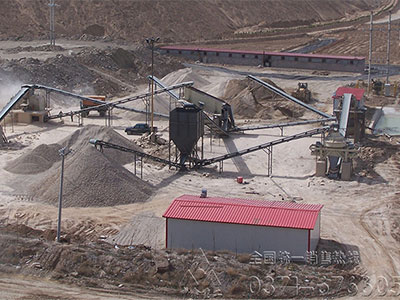
Cone crushers are pivotal in the material processing industry, and understanding the two primary types—crawler models and tire models—can significantly aid in selecting the right equipment for various applications. Crawler cone crushers are designed for mobility; they can navigate uneven terrains easily, providing optimal flexibility at job sites. On the other hand, tire cone crushers offer speed and are suited for projects requiring quick relocations between different locations. Both types excel in crushing efficiency, capable of processing diverse materials such as rock, concrete, and asphalt. Their adaptability ensures that customers can optimize operations based on specific material characteristics and project requirements. Additionally, each type is available in various styles that influence , ensuring a tailored approach to crushing needs.
When it comes to construction, the choice between crawler and tire cone crusher models plays a significant role in overall project efficiency. Crawler models are designed for rugged terrains, easily navigating uneven landscapes due to their tracked mobility. This makes them * for larger job sites where repositioning is frequent. On the other hand, tire models offer quicker mobility on stable surfaces and can be transported between locations with relative ease.
The operational efficiency of these two types also varies. Crawler cone crushers typically handle heavy loads with better stability, making them suitable for large-scale crushing tasks. In contrast, tire models are often favored for their speed in both setup and relocation phases, benefiting projects where time is of the essence. By understanding these distinctions, operators can make informed decisions based on site conditions and material handling needs, ultimately optimizing the crushing process in their construction projects.
Crawler and tire cone crushers bring distinct mobility benefits to various job sites. Crawler models, equipped with tracks, offer *ior traction and stability, making them * for uneven terrains or challenging environments. This design allows for easy maneuvering and positioning without needing additional transport equipment. On the other hand, tire models provide speed and convenience on paved surfaces or well-prepared ground. Their lightweight structure enables quick relocation between sites, enhancing operational efficiency. Both types are designed to optimize workflow in material processing by being available right where they are needed, whether for recycling construction waste or crushing raw materials like rock and asphalt. Together, these mobility advantages ensure that cone crushers can adapt to the demands of diverse projects seamlessly.
Cone crushers play a pivotal role in enhancing crushing efficiency across various material processing operations. By utilizing both crawler and tire models, these crushers provide operators with valuable options tailored to specific job requirements. Crawler models offer *ior mobility on uneven terrains, making them * for temporary sites where relocation is frequent. Conversely, tire models are known for their quick setup times and better on more stable surfaces. The ability to process different materials—whether it be rock, concrete, or recycled substances—ensures they meet diverse industry needs effectively. Additionally, with various cone crusher styles available, operators can select equipment that aligns with their output specifications, further optimizing processing workflows. This flexibility s to increased productivity and cost-effectiveness in material handling tasks.
When choosing the right cone crusher style, it's essential to consider the type of materials being processed. For instance, if the project involves heavy-duty tasks with hard materials like granite or basalt, a screw bowl cone might provide *ior . On the other hand, for softer materials or operations requiring frequent adjustments, floating shaft cones can be more effective. Additionally, understanding your operational environment can aid in this decision. Crawler models excel in mobility and flexibility for various job sites, while tire models may offer quicker setup and transportation between locations. By assessing material specifications and project demands, operators can select a cone crusher that enhances overall crushing efficiency and productivity.
Crawler and tire models of cone crushers demonstrate significant effectiveness in recycling applications. The mobility of these crushers allows operators to move them directly to the site of construction and demolition waste, reducing handling costs and time. Crawler models excel on rough terrain, providing stability and durability, while tire models offer quick mobility on flat surfaces, making them adaptable to various working environments. In terms of , both types can efficiently crush materials like concrete and asphalt, thanks to their high-output capability ranging between 10 to 650 tons per hour. Furthermore, the design of these crushers allows for precise material sizing, ensuring that recycled products meet the necessary standards for reuse in construction. This flexibility makes both crawler and tire models valuable assets for companies focused on sustainable practices in material processing.
Cone crushers are essential in various material processing sectors due to their distinctive features that enhance crushing efficiency. Their design allows for the effective breakdown of diverse materials such as rock, concrete, and asphalt. The mobility of both crawler and tire models plays a crucial role in their . Crawler models provide *ior stability on uneven terrain, while tire models offer quick relocation between sites. Additionally, cone crushers exhibit high output capacities, ranging from 10 to 650 tons per hour, catering to projects of varying scales. The ability to process different materials with tailored styles, such as Floating Bowl Cone and Screw Bowl Cone, allows users to select units that * meet their specific requirements for various applications. These features make cone crushers a vital choice in construction and recycling operations.
Cone crushers play a vital role in material processing, ly in the construction and recycling industries. The floating bowl cone, screw bowl cone, and floating shaft cone offer diverse options that cater to various material types and processing requirements. Each style is tailored for specific applications, ensuring optimal with materials ranging from hard rock to recycled concrete. The adaptability of these crushers enhances crushing efficiency, allowing operators to achieve the desired output with minimal downtime. Furthermore, the ability to switch between crawler and tire models extends versatility, enabling seamless movement across different job sites while maintaining high operational standards. This makes selecting the appropriate cone crusher style crucial for meeting project demands effectively.

 E-mail:sales@zxcrusher.com
 whatsapp:+8613676922906