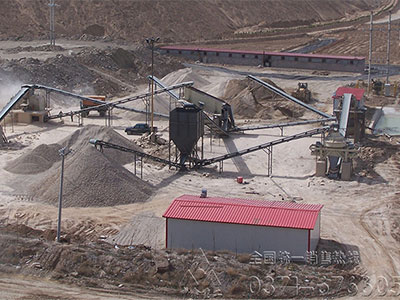
Cone crushers play a vital role in mining operations by efficiently reducing large rocks into smaller, manageable sizes. These machines are designed to handle tough materials, making them * for processing mineral ores and other heavy aggregates. In mining contexts, cone crushers are often red for their ability to produce a consistent size of crushed material, which is crucial for further processing stages. Their robust construction and ability to withstand high operational stresses allow them to perform reliably even in demanding conditions. Additionally, cone crushers provide high crushing ratios and efficient throughput, contributing to the overall productivity of mining operations. This efficiency not improves material handling but also enhances the effectiveness of subsequent processing stages such as grinding and milling.
Cone crushers play a crucial role in the aggregate industries by efficiently crushing medium to hard materials such as granite, limestone, and sandstone. Their design allows for the reduction of larger stones into smaller, more manageable sizes, which is essential for producing gravel and sand. In quarries, cone crushers are comm utilized to produce aggregate products that meet specific size specifications for construction applications. The adjustable settings of cone crushers enable operators to achieve the desired particle size and shape, making them * for various aggregate production needs. With their high throughput rates and effective size reduction capabilities, cone crushers help streamline operations while ensuring consistent material quality in the competitive aggregate market.
Cone crushers offer several advantages that make them a popular choice in both mining and aggregate industries. One significant benefit is their ability to produce a uniform and consistent * product with a finely crushed particle size. This is crucial for applications where precise material sizing is required. Additionally, cone crushers have a high crushing efficiency, which allows them to effectively handle large volumes of material while maintaining lower operational costs. Their design also incorporates features that enhance durability and minimize wear, reducing maintenance frequency and downtime. Furthermore, these crushers provide adaptability to various rock types and sizes, making them versatile for different operational environments. This versatility, combined with their efficiency in energy use, positions cone crushers as a valuable asset for any crushing operation.
When evaluating cone crushers against jaw crushers, notable differences in emerge. Cone crushers offer finer, more uniform particle sizes, making them * for applications requiring well-defined granules. In contrast, jaw crushers excel in the initial stages of crushing, handling larger rocks but often yielding a coarser end product. The operational efficiency of cone crushers is enhanced through their design, which allows for a er reduction ratio and often results in higher throughput rates in specific settings. Additionally, cone crushers generally consume less energy per ton of material processed. However, the choice between the two can hinge on operational needs; those prioritizing volume and size reduction may lean more towards jaw crushers, while those seeking precision in product size might favor cone crushers. Understanding these distinctions helps operators select the * appropriate equipment for their specific applications.
To achieve the * from your cone crusher, proper adjustment is crucial. Initially, you should check the closed-side settings, which control the size of the output material. A smaller closed-side setting can to finer product output, while a larger setting increases throughput. Consistently monitor wear parts, as worn liners can affect product size and reduce efficiency. Additionally, maintaining proper lubrication is essential to avoid overheating and minimize friction, ensuring a smoother operation. Regularly inspect and adjust the crusher's settings based on the material characteristics and desired * product specifications. Lastly, keep an eye on operational parameters such as load and power consumption to identify any necessary adjustments that enhance productivity while preventing equipment strain.
A cone crusher operates through a combination of compression and shear, effectively breaking down materials. The main components include a rotating mantle and a stationary concave, which work together to crush rocks. As the material enters the crushing chamber, gravity pulls it downwards. The mantle rotates, creating a squeezing motion that reduces the size of the material as it moves closer to the concave. This process allows for consistent product sizing and efficient material handling. Additionally, cone crushers are designed with adjustable settings, enabling operators to fine-tune the size of the output according to specific application needs. The interplay between its mechanical parts ensures high throughput and optimal in both mining and aggregate settings while helping to manage energy consumption effectively.
Selecting the right manufacturer for a cone crusher is crucial for ensuring reliability and in your operations. It's important to research manufacturers known for their quality and service in the mining and aggregate industries. Look for brands that have a strong reputation, backed by positive customer testimonials and proven track records. Evaluate the range of cone crushers they offer to ensure it fits your operational needs, including capacity, size, and technology features. Additionally, consider the support services provided, such as installation guidance, maintenance options, and availability of spare parts. Engaging with manufacturers that prioritize customer service can enhance your operational efficiency and help you make informed choices tailored to your specific requirements.
Operating a cone crusher presents several challenges that can impact efficiency and output quality. One common issue is maintaining proper settings, which can to excessive wear or inadequate crushing. Regularly monitoring the crusher's and making necessary adjustments can help mitigate this. Another challenge is ensuring proper lubrication, as inadequate oil levels can cause premature failure of components. Implementing a consistent maintenance schedule can prevent these issues. Additionally, improper feed material size can obstruct the crushing process; hence, it's crucial to screen materials before entering the crusher. When these challenges are addressed effectively, operators can enhance the overall of their cone crusher in mining and aggregate industries.

 E-mail:sales@zxcrusher.com
 whatsapp:+8613676922906