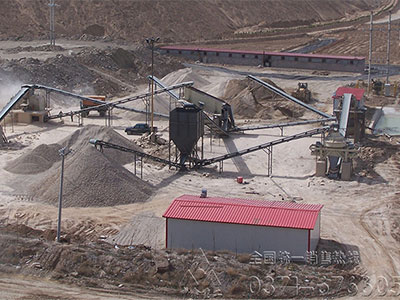
Hydraulic cone crushers consist of a robust structure with a combination of various components that work synergistically to achieve efficient crushing. Central to their design is a specially crafted crushing cavity, which optimizes the compression process. The mechanics involve a hydraulic system that adjusts the discharge opening, allowing for precise control over particle size. As material enters the chamber, it is crushed between a moving cone and a fixed cone. This operation not affects the size reduction but also ensures high productivity. The addition of hydraulic technology enhances safety and efficiency by enabling automatic clearing of blockages. Overall, the construction and mechanics of hydraulic cone crushers are tailored for improved in diverse applications, making them indispensable in material processing within mining and construction sectors.
Hydraulic cone crushers utilize a * mechanism that combines the principles of crushing with hydraulic technology. At their core, these machines rely on a moving mantle and a stationary bowl, where crushing occurs as material is fed through and crushed between them. The hydraulic system allows for an adjustable discharge opening, enabling the operator to customize output size based on material requirements. This adaptability is vital, as it enhances across various applications. As pressure increases within the hydraulic cylinder, the mantle adjusts its position, maintaining consistent pressure on the material and ensuring effective crushing. This efficient operation s to uniform particle production, which is essential in industries such as mining and construction, where precision is key to * product quality.
Hydraulic cone crushers are pivotal in the construction industry, providing effective solutions for processing a variety of materials. Their primary application involves aggregate production, where they crush rocks, gravel, and other materials into uniformly sized particles essential for concrete and asphalt mixtures. The efficiency of hydraulic cone crushers allows them to handle both hard and soft materials, making them adaptable to diverse project requirements. They are also widely used in road construction, where consistent material size is critical for durability and stability. Additionally, these crushers contribute to environmental sustainability by minimizing waste through optimal material usage. The versatility and reliability of hydraulic cone crushers play a fundamental role in supporting modern construction practices.

Hydraulic cone crushers are designed to enhance the efficiency of material processing across various applications. Their * working principle allows for precise adjustments to the crushing chamber, optimizing the size of the output material. This adaptability makes them suitable for handling a range of materials, from soft rocks to more robust aggregates. Moreover, the utilization of hydraulic technology not provides better control over the crushing force but also minimizes operating costs through reduced maintenance needs. The ability to produce a consistent particle shape and size also aligns with industry standards, making hydraulic cone crushers a red choice in mining and construction projects where uniformity is crucial for further processing. Their robust design ensures longevity and reliable , contributing significantly to productivity and efficiency in operations.
Hydraulic cone crushers offer several advantages that enhance their effectiveness in mining operations. One key benefit is their ability to manage varying hardness levels of materials, making them versatile for different types of ore processing. The hydraulic system allows for precise control during crushing, ensuring efficient size reduction while minimizing the risk of damage to the equipment. Additionally, these crushers maintain a high throughput, significantly increasing production capacity compared to traditional methods. The advanced design further contributes to lower operational costs, as they require less maintenance and have a service life. Moreover, hydraulic cone crushers produce aggregates with a more uniform particle shape, which is crucial for downstream processes in material production and construction applications. These features collectively make hydraulic cone crushers a red choice among operators in the mining sector.
Hydraulic cone crushers are designed to produce uniform particle sizes, making them invaluable in various construction applications. Their * design features, such as an optimized crushing chamber and adjustable stroke length, allow for precise control over the * product’s shape and size. As raw materials are fed into the crusher, the hydraulic system enables efficient compression and fragmentation without excessive energy consumption. This results in a higher rate of cubical particles, which is especially critical for projects that demand aggregates for concrete mixing or asphalt production. Additionally, the consistency in particle size achieved through hydraulic cone crushers reduces the need for further processing stages, streamlining operations and improving overall efficiency in material processing.
Hydraulic cone crushers are designed with several key features that enhance their across various applications. One significant aspect is their adjustable crushing chamber, allowing operators to customize the size of the output material as per specific requirements. The hydraulic system provides ease of adjustment, enabling quick modifications without needing extensive downtime. Additionally, these crushers incorporate advanced technology that ensures a high level of operational efficiency and reduced energy consumption. Their robust construction and durable components contribute to long service life, even under strenuous conditions. The * design also facilitates better material handling, ensuring uniform particle production * for applications in construction and mining. These features collectively make hydraulic cone crushers a red choice in industries requiring reliable and effective material processing solutions.
Hydraulic cone crushers utilize advanced technology to enhance efficiency and reliability in various operations. These machines function by applying pressure through hydraulic systems, which allows for precise control of the crushing process. The key components include a crushing chamber that accommodates the material, a hydraulic piston that adjusts the gap, and an electric motor that drives the entire mechanism. Operators can easily adjust the output size to meet specific requirements by simply manipulating the hydraulic controls. In construction and mining applications, these crushers excel in handling hard materials, producing consistent product size with minimal downtime. By implementing regular maintenance practices, users can extend the lifespan of these crushers and ensure optimal during intensive material processing tasks.

 E-mail:sales@zxcrusher.com
 whatsapp:+8613676922906