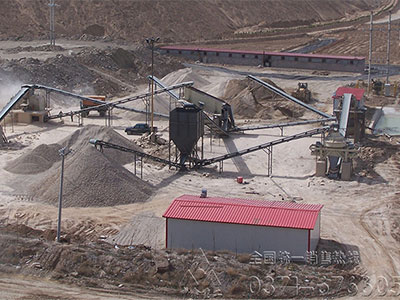
Performance is a critical aspect when selecting a European jaw crusher, as it directly impacts productivity and operational efficiency. A high-performing jaw crusher will ensure consistent crushing actions, resulting in uniform particle sizes, which can enhance the quality of the * product. Factors such as crushing capacity, feed size, and reduction ratio be considered to assess effectively. Additionally, the choice of materials used in construction plays a significant role; components often to *ior under various conditions. Moreover, looking for features like adjustable settings can provide flexibility to adapt to different applications, ensuring that the equipment can meet changing demands without compromising efficiency. Evaluating these indicators will help you make an informed decision when selecting the right European jaw crusher for your specific needs.
When selecting a European jaw crusher, durability stands as a central concern. A robust design is crucial; it not prolongs the lifespan of the crusher but also ensures consistent operational efficiency. Look for features such as materials and reinforced structures that withstand heavy wear and tear. Furthermore, manufacturers often provide testing data regarding their products' durability under extreme conditions, which can serve as a valuable reference. Pay attention to the warranty and service support offered, as these often correlate with product longevity. Additionally, understanding the intended application helps in choosing models designed to handle specific challenges, thus enhancing overall durability. Selecting a product that emphasizes these attributes will contribute significantly to the long-term of your operations.
When selecting a European jaw crusher, ensuring compatibility with your existing systems is crucial for operational efficiency. A well-integrated crusher will not fit within your current setup but also enhance without the need for extensive modifications. Begin by assessing the dimensions and technical specifications of the jaw crusher to confirm they align with your available space and equipment. Furthermore, consider the crusher’s power requirements and how they match your existing electrical systems. Additionally, effective material handling systems also be taken into account; this includes conveyor compatibility and accessibility for maintenance. By focusing on these parameters, you will facilitate a smoother installation process, minimize downtime, and ensure optimal functionality within your production environment.
When selecting a European jaw crusher, it's essential to focus on several key features that can enhance your operations. First, is paramount; look for models with high throughput rates and efficient crushing capabilities. A reliable motor and hydraulic system can significantly affect productivity. Durability is also crucial—choose crushers made from wear-resistant materials that can withstand heavy-duty applications and reduce maintenance costs over time. Compatibility with your existing equipment cannot be overlooked; ensure the dimensions and interface align well with your current setup to avoid installation challenges. Additional features such as adjustable settings for different materials and easy access for service can provide added convenience and functionality in various industrial applications. Prioritizing these features will help ensure you select an optimal jaw crusher tailored to your specific needs.
When selecting the right European jaw crusher model, it’s crucial to consider your operational needs closely. Begin by evaluating the material types you will process and ensure that the crusher's metrics align with these requirements. Look for models that offer adjustable settings, as they provide flexibility for different materials and output sizes. Durability should also be high on your list; choose models made from steel and with a reputation for long service life under rigorous conditions. Furthermore, compatibility with your current systems is essential to ensure a smooth workflow and prevent potential downtimes. Prioritize jaw crushers that offer straightforward installation and integration into existing setups, as this can significantly impact operational efficiency.
When selecting a European jaw crusher for industrial applications, it’s essential to start with a clear understanding of your operational requirements. Performance parameters, such as crushing capacity and reduction ratio, should align with your specific material handling needs. Durability is another critical factor; look for models that feature components designed to withstand rigorous working conditions. Assessing compatibility with existing machinery and systems ensures that maintenance and integration processes are streamlined, preventing potential bottlenecks in production. Beyond these aspects, consider features such as adjustable settings and ease of servicing, which can significantly enhance operational efficiency and minimize downtime.
When selecting a European jaw crusher, and durability are key considerations that often come into play. Performance typically encompasses factors such as crushing efficiency, throughput capacity, and the machine’s ability to handle various materials. On the other hand, durability refers to the quality of construction and the longevity of components under regular operational stresses. It’s crucial to strike a balance between these two aspects. A high-performing jaw crusher may not be beneficial if it lacks durability, ing to frequent repairs or replacements, which can disrupt operations and incur additional costs. Conversely, a robustly built machine that underperforms may hinder productivity. Therefore, potential buyers should carefully assess both metrics and durability standards provided by manufacturers, looking for models that can withstand heavy use while delivering consistent results over time.

 E-mail:sales@zxcrusher.com
 whatsapp:+8613676922906