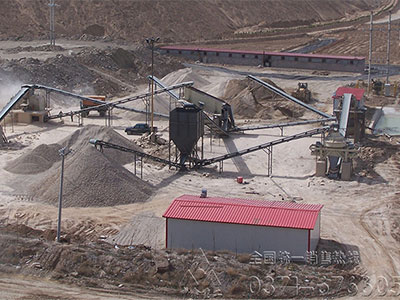
The spring cone crusher is known for its robust design and reliability, making it a popular choice in various mining operations. One of its key features is the ability to produce a consistent product shape with a relatively uniform grain size, which is crucial for achieving optimal quality in the * output. The spring mechanism allows for the adjustment of the crusher's settings, giving operators flexibility to adapt to varying material characteristics and desired specifications. Additionally, its simple maintenance requirements and durability contribute to lower operational costs over time. This type of cone crusher effectively handles medium to hard materials, making it suitable for diverse applications from metallic ores to construction aggregates. Overall, its combination of efficiency, reliability, and low operating costs makes the spring cone crusher an advantageous option in many crushing scenarios.
The single-cylinder cone crusher stands out for its remarkable flexibility and efficiency in various mining applications. Designed with a * crushing cavity, it allows for a more efficient crushing process. This type of cone crusher is ly adept at handling materials of varying sizes, making it * for operations that require quick adjustments. Its simple design simplifies maintenance tasks and minimizes downtime, boosting overall productivity. Additionally, the single-cylinder model often features advanced hydraulic controls that enhance operational efficiency, allowing users to fine-tune settings for specific materials. As a result, it ensures optimal compared to traditional models, fostering er output while reducing operational costs. Thus, the single-cylinder cone crusher is a solid choice for those seeking versatility in their crushing tasks.
Multi-cylinder cone crushers stand out for their advanced design and *ior crushing capabilities. They feature multiple hydraulic cylinders that provide enhanced pressure and adjustment mechanisms, allowing for er control over the crushing process. This design s to higher efficiency and the ability to handle larger volumes of material more effectively than other types. Additionally, multi-cylinder models offer improved reduction ratios and uniform product size, making them * for applications requiring precise specifications. The increased crushing power translates to faster processing times, ultimately enhancing productivity in mining and aggregate operations. With their robust construction and innovative technology, multi-cylinder cone crushers are key players in achieving optimal in various crushing environments.
When comparing the spring cone crusher with single-cylinder and multi-cylinder cone crushers, distinct traits emerge. The spring cone crusher is known for its simplicity and reliability, offering steady in various applications. It excels in producing a consistent output with a reliable cubic shape of crushed materials. In contrast, the single-cylinder cone crusher stands out with enhanced flexibility, making it easier to adjust to varying material characteristics and operational conditions. This type typically allows finer control over particle size, beneficial for precise crushing tasks. On the other hand, the multi-cylinder cone crusher boasts optimized crushing by utilizing multiple cylinders to provide increased crushing ratios and efficiency. This design not enhances productivity but also improves the cavity shape for better material output. Understanding these differences is crucial for selecting the * equipment that aligns with specific crushing needs and strategic operational goals.
Selecting the * cone crusher depends on specific operational requirements and material characteristics. If you are dealing with a wide range of materials and need versatility, the single-cylinder cone crusher may be the appropriate choice. It balances flexibility and efficiency, making it capable of handling different types of crushing tasks effectively. On the other hand, if your focus is on high productivity with consistent finished particle shapes, a multi-cylinder cone crusher stands out due to its optimized crushing and advanced features that enhance operational efficiency. For those who prioritize reliability and cost-effectiveness, the spring cone crusher offers a proven design that has served various industries well for years. Each option has * strengths, so considering factors like material type, production rate, and operational conditions will guide you in making an informed decision based on your specific needs.
Choosing the right cone crusher is crucial for enhancing operational efficiency. Each type has its * attributes that cater to specific crushing applications. Spring cone crushers are known for their reliability and ease of maintenance, making them a choice for traditional projects requiring consistent output. On the other hand, single-cylinder cone crushers offer flexibility, enabling operators to adjust settings quickly for varying sand and gravel needs. Multi-cylinder cone crushers stand out in high-capacity environments with their advanced crushing , efficiently managing larger volumes while maintaining *ior particle shape and size distribution. By understanding the specific advantages of each type, operators can optimize their processes to ensure productivity and reduce downtime, ultimately ing to a more effective crushing operation.
The crushing of cone crushers varies significantly among the different types. Spring cone crushers are known for their robust design, providing consistent and a uniform material output, which is crucial for many applications. They are ly efficient for medium-grade materials. On the other hand, single-cylinder cone crushers excel in flexibility and operational efficiency, allowing for quick adjustments to meet varying demands. This adaptability is beneficial in dynamic work environments where material characteristics may change frequently. Multi-cylinder cone crushers, with their advanced design, boast optimized crushing capabilities and are tailored for high-volume operations. They can handle tough materials while maintaining high productivity levels. Understanding these variations in helps users select the appropriate type to align with their specific crushing needs and operational goals.
When examining cone crushers, understanding the distinctions among spring, single-cylinder, and multi-cylinder models is essential. The spring cone crusher is known for its simplicity and cost-effectiveness, making it a popular choice in many industries. Its design allows for easy adjustments during operation, although it may underperform under heavy loads compared to newer models. In contrast, the single-cylinder cone crusher offers enhanced flexibility and efficiency. Its advanced hydraulic system enables real-time adjustments to the crushing process, optimizing material flow and reducing wear on components.
On the other hand, the multi-cylinder cone crusher takes crushing to another level with its ability to handle higher pressures and produce finer outputs. It features a more complex design that not increases productivity but also enhances material shape and size distribution. Each type of cone crusher has * strengths that cater to different operational needs in various applications. By carefully considering these characteristics, users can select a suitable model that aligns with their specific crushing requirements.

 E-mail:sales@zxcrusher.com
 whatsapp:+8613676922906