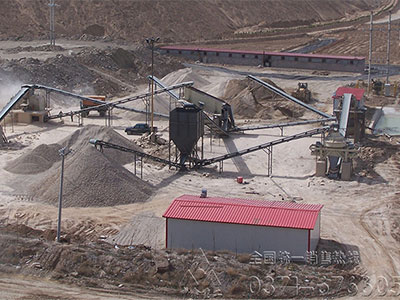
To effectively address oil leaks at the discharge of a cone crusher, proactive maintenance strategies should be implemented. Regular inspections of seals and gaskets can identify wear or damage before leaks become severe. Additionally, routine lubrication checks ensure that oil levels are maintained within optimal ranges, minimizing the risk of excessive pressure buildup. Operational adjustments, such as adjusting the feed rate and ensuring a proper material size entering the crusher, also contribute to reducing oil leaks. Maintaining consistent operational parameters allows for better control within the crushing chamber, alleviating stress on components that may otherwise to failures and leaks. Implementing these strategies not enhances the machine's efficiency but also prolongs its lifespan by maintaining operational integrity and reducing downtime associated with oil leak repairs.
Operational adjustments play a crucial role in maintaining the efficiency of cone crushers. One key aspect involves regulating the feed rate. Ensuring this rate aligns with the machine's capacity prevents overloading, which can to increased wear and inefficient crushing. Additionally, regular monitoring of material size before entering the crusher can further optimize . Oversized particles should be minimized to reduce stress on the machine, fostering smoother operation. Furthermore, staff training on proper loading techniques can enhance consistency in material handling, directly impacting productivity and equipment lifespan. These adjustments not contribute to better operational efficiency but also help mitigate potential issues like oil leaks, promoting overall machine integrity.
To effectively reduce oil leakage in cone crushers, regular inspection and maintenance are crucial. Start by examining gaskets and seals; worn or damaged components should be replaced promptly to prevent leaks. Lubrication systems be checked frequently to ensure proper oil flow, and it’s essential to maintain the correct oil levels as specified by the manufacturer. Additionally, consider using lubricants designed for high-pressure applications, as these can help minimize leakage risks. Regular cleaning of the crusher and its surrounding areas will also assist in identifying potential leaks early on. Furthermore, operator training is vital; ensuring that personnel understand operational limits can prevent overloading and excessive wear, ultimately supporting better maintenance outcomes and reducing leak occurrences.
To address oil leaks effectively, routine inspections and prompt repairs are crucial. Regularly checking seals and gaskets can prevent potential failures that to leaks. Implementing operational adjustments such as monitoring the torque settings of the cone crusher can ensure proper sealing and reduce wear on critical components. In addition, maintaining correct fluid levels helps enhance and minimizes the risk of leaks caused by over-pressurization. Employing lubricants specifically designed for cone crushers increases resistance to breakdown, thereby improving integrity and extending machine life. Furthermore, staff training on proper maintenance techniques ensures that everyone is equipped with the necessary skills to identify issues before they escalate. By integrating these strategies, operators can maintain optimal and reduce the incidence of oil leaks effectively.
To effectively manage severe oil leaks at the cone crusher, regular inspection and maintenance are paramount. Begin by checking all seals and gaskets for wear and tear, as these components are often the source of leaks. Regularly replacing worn parts can significantly reduce the risk of oil seepage. Additionally, implementing lubricant that matches the manufacturer's specifications can ensure better sealing and reduce viscosity issues that might contribute to leaks. It’s also crucial to monitor operating temperatures closely; excessive heat can to oil degradation, increasing the likelihood of leaks. Utilizing a secondary containment system can aid in managing any unforeseen spills while enhancing safety protocols on-site. By following these practices, operators can maintain optimal and integrity of their cone crushers while minimizing downtime associated with oil leaks.
Effectively managing oil leaks in cone crushers requires a systematic approach to identify and rectify potential issues. Regular inspections of seals and gaskets are essential, as these components often wear out, ing to leaks. Ensuring the correct alignment of the cone crusher can significantly reduce the likelihood of oil dripping from discharge points. Operational adjustments, such as closely monitoring the lubrication system, help maintain appropriate oil levels and prevent overfilling. Additionally, implementing maintenance strategies that include routine cleaning of discharge areas can eliminate residue buildup, which might obscure leak sources. Keeping an eye on fluctuations in pressure within the lubrication circuit can also signal impending issues that need prompt attention. By prioritizing these practices, operators can enhance machine efficiency while minimizing downtime caused by oil leakage problems.
To enhance efficiency and minimize oil leakage at the cone crusher discharge, several adjustments should be considered. First, ensuring proper lubrication is crucial; this involves regularly checking oil levels and using lubricants that comply with manufacturer specifications. Additionally, maintaining the correct screen opening size will prevent oversized materials from entering the chamber, which can exacerbate wear and contribute to leaks. Operational adjustments to feed rates are also necessary; a steady input helps the machine process materials without becoming overwhelmed. Furthermore, routine inspections of seals and gaskets can identify wear early, allowing for timely replacements. These proactive measures can significantly enhance machine efficiency while mitigating potential oil leaks.
To achieve optimal in cone crushers, a proactive maintenance routine is essential. Regular inspection of the hydraulic system helps identify potential oil leaks early, enabling timely repairs. It is crucial to monitor seals and gaskets, as these components often wear out and can to inefficient lubrication and increased leakage. Moreover, maintaining proper oil levels and ensuring that the correct type of lubricant is used play a significant role in minimizing oil leaks. Operators should also consider integrating vibration analysis and thermal imaging techniques to detect abnormalities before they escalate. Implementing a scheduled maintenance plan that includes cleaning of components and replacement of worn parts will contribute significantly to extending the lifespan of the machine while maintaining its efficiency.

 E-mail:sales@zxcrusher.com
 whatsapp:+8613676922906